Case summary
At a glance
Learn How Sciospec ISX-3 Technology Drives Innovation in Deep Brain Stimulation Research
Full reference article
Unlock better deep brain stimulation
The study focuses on two key aspects of model accuracy:
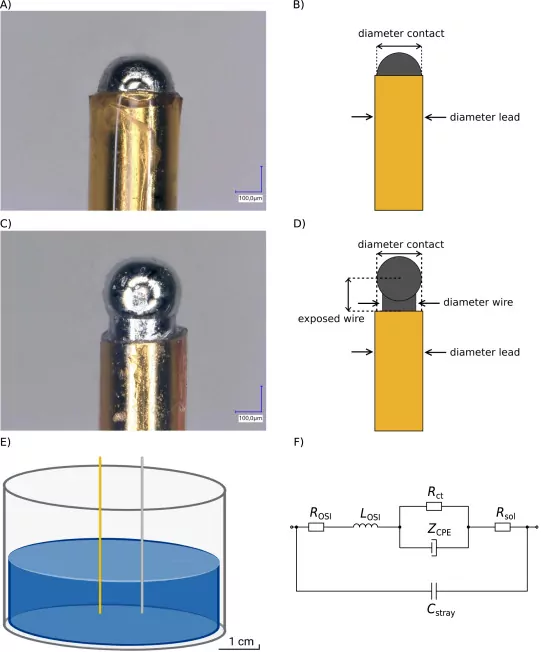
- Electrode Geometry: Validating the actual geometry of the implanted electrode which can differ from manufacturer specifications.
- Electrode-Tissue Interface: Characterizing the changes that occur at the electrode-tissue interface after implantation such as the formation of encapsulation tissue.
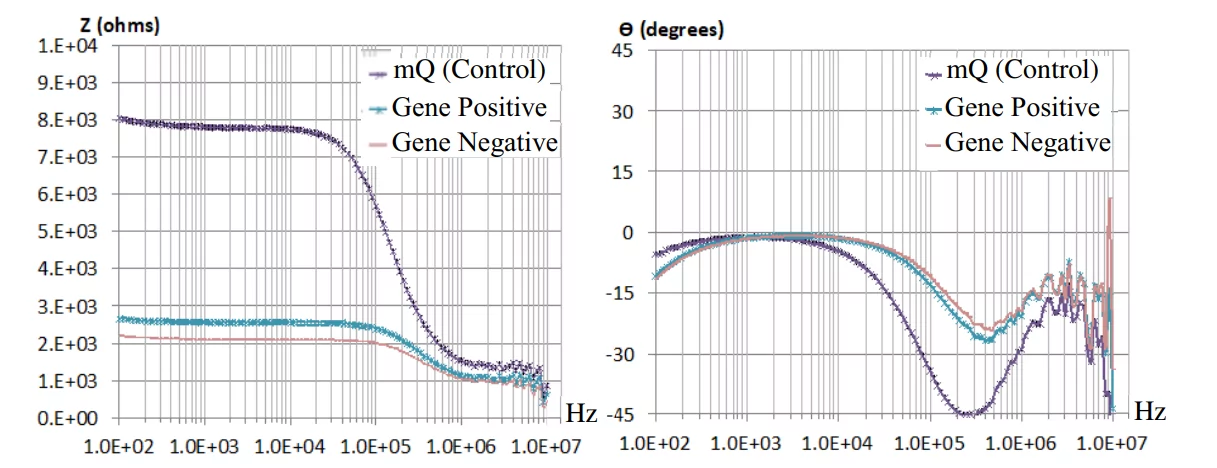
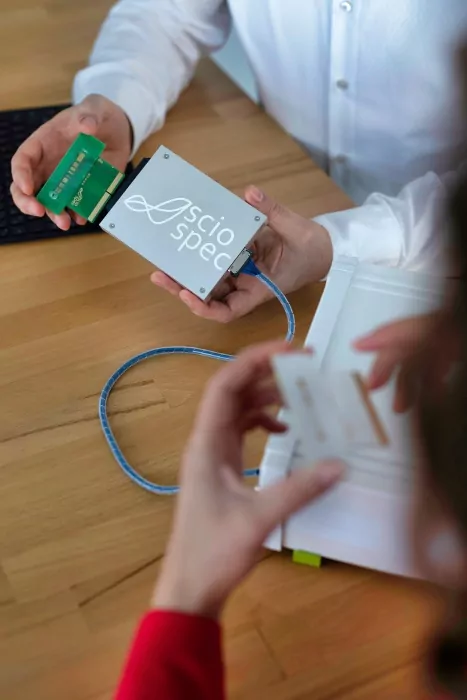
By developing a workflow to incorporate these factors into computational models, the researchers aim to improve the predictive power of the models and ultimately optimize DBS treatment for individual patients. Specifically, they worked with rodent microelectrodes, using microscopy and impedance spectroscopy in vitro to validate electrode geometry before implantation. Crucially, the impedance spectroscopy measurements, which are fundamental to this workflow, were performed using a Sciospec ISX-3 impedance analyzer. The ISX-3‘s ability to provide accurate and broadband impedance data allowed for precise characterization of the microelectrodes’ electrical properties.
Curious to learn more about impedance spectroscopy and its role in deep brain stimulation research? Check out our detailed FAQ section
How Sciospec Technology Powers Accurate DBS Modeling
The research underscores the critical role of impedance spectroscopy in characterizing electrodes and the surrounding tissue. Sciospec’s ISX-3 impedance analyzer is ideally suited for this purpose, providing the precise and reliable measurements needed to validate electrode geometry, characterize the electrode-tissue interface, and optimize stimulation parameters. Here’s how Sciospec technology contributes to this field:
- Precise Impedance Measurements: The ISX-3 offers a wide frequency range and high accuracy, allowing researchers to capture detailed information about the electrical properties of electrodes and tissue.
- Electrode Validation:By comparing measured impedance values with those predicted by computational models, researchers can validate the accuracy of the models and identify potential errors in electrode geometry or tissue properties.
- Streamlined Workflow:Sciospec’s ISX-3 simplify the process for researchers making it easier to conduct impedance measurements and integrate them into their DBS modeling workflows.
Looking for more answers? Keep reading to learn more. We also have a detailed FAQ section further down. Or take the shortcut and directly reach out to us.
Streamline Your Deep Brain Stimulation Electrode Characterization with Sciospec's ISX-3
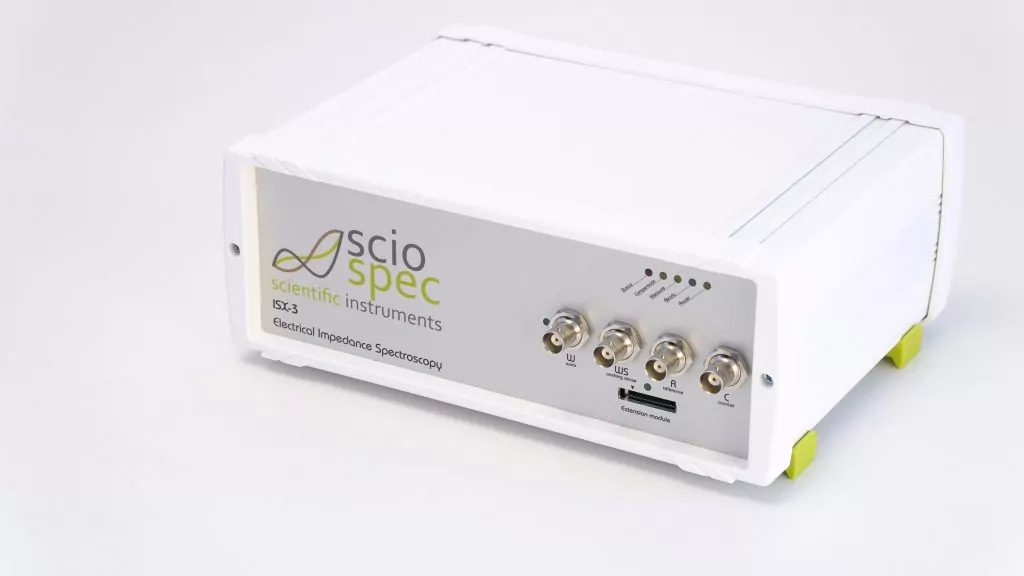
Impedance measurements are essential for characterizing the electrical properties of electrodes and the surrounding tissue. Sciospec’s ISX-3 impedance analyzer is a versatile and scalable tool for this type of research, offering a powerful combination of performance and flexibility. Key benefits include:
- Versatile and scalable design
- Base precision of 0.01% and high measurement speed of 0.5 ms per point
- Broadband frequency range
- High accuracy and stability
- User-friendly software
For flawless integration into your application choose from our many sensor & chip adapters or talk to us for custom integrations. Need to scale up? No problem – we offer compatible multiplexers and multichannel impedance analyzers.
Need medical-grade safety features for Clinical Research
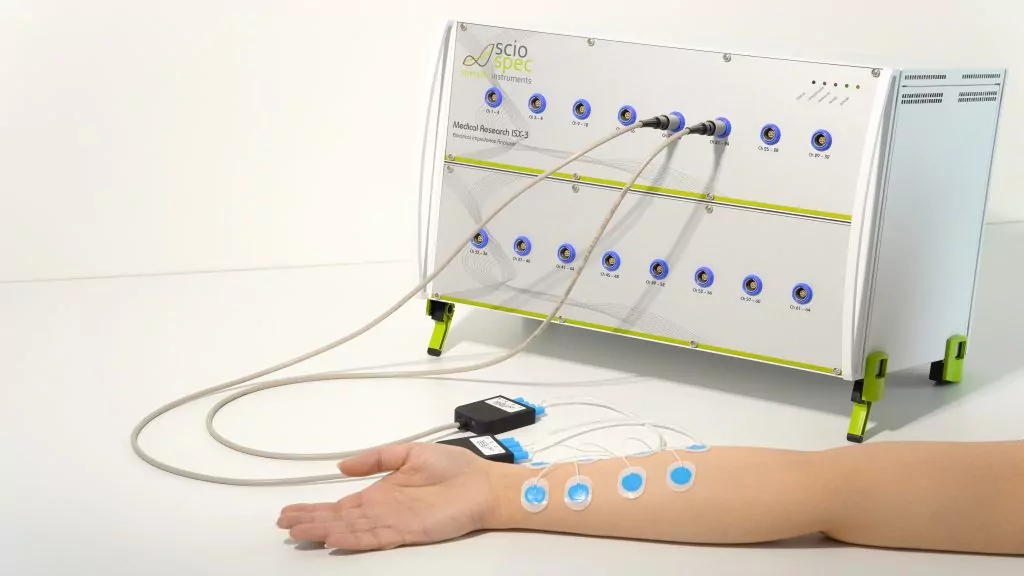
With medical research options, Sciospec provides the opportunity to extend your research into clinical settings. As your research progresses towards human trials and safety, Sciospec offers specialized impedance analysis solutions engineered with advanced safety features for use in clinical research environments. These solutions include enhanced isolation, protection circuits, and compliance with relevant medical device standards to ensure patient safety during in vivo measurements.
The study’s findings highlight the critical role of multi-frequency impedance measurement for deep brain stimulation. The Medical Research ISX-3 impedance analyzer, with its high precision and adaptability is perfectly suited for advancing real-world applications in electrode characterization, in vitro validation, psychophysiological monitoring and clinical DBS studies
Explore how Sciospec’s the Medical Research ISX-3 can revolutionize your research.

Want to dive deeper? Talk to our experts!
Our experts are ready to help you understanding how this technology works and how you can apply and integrate it into your work. Get in touch today to get a personalized consultation to enhance your work with our advanced solutions
Step into the Future with Impedance based EDA measurements
The research highlighted in this article demonstrates the power of combining experimental validation with computational modeling to advance our understanding of deep brain stimulation. By using impedance spectroscopy to characterize electrodes and monitor the electrode-tissue interface, researchers can create more accurate and reliable DBS models, the ISX-3 is ideally suited for this task.
At Sciospec, we are committed to empowering researchers with cutting-edge impedance solutions. Whether you’re developing validated computational models for deep brain stimulation, characterizing electrode-tissue interfaces, or enhancing the accuracy of neurostimulation research, our technology can help.
🚀 Get in touch with Sciospec today to explore how our impedance solutions can power your research. Contact us now.
💡Curious for more? Check out our latest developments and products.
🧪Want to try it yourself? Contact us for more information
🚀Looking for a tailored solution? Our experts can help!
📢 Follow us on LinkedIn for more updates.
Explore Related Research and Insights
explore by relevant keywords
…or just browse our most recent posts:
Get in touch with us
Frequently asked questions
What is Deep Brain Stimulation (DBS) ?
Deep Brain Stimulation (DBS) is a neurosurgical procedure used to treat movement and neurological disorders. It involves implanting a small device, similar to a pacemaker, that sends electrical impulses to targeted areas deep within the brain. These impulses can help to regulate brain activity and reduce symptoms.
Why is impedance spectroscopy important for DBS modeling ?
Impedance spectroscopy provides detailed information about the electrical properties of electrodes and the surrounding tissue, which is crucial for accurate DBS modeling.
💡 Sciospec’s ISX-3 impedance analyzer provides precise, broadband impedance measurements that can be used to validate electrode geometry, characterize the electrode-tissue interface, and optimize stimulation parameters.
What are the benefits of using validated electrode geometry in DBS models ?
Validated electrode geometry reduces uncertainty in the model, leading to more accurate predictions of the electric field and volume of tissue activated during DBS.
What frequency range is important for impedance measurements in DBS research ?
broad frequency range, typically from 100 Hz to 10 MHz, is important to capture the complex impedance behavior of electrodes and tissue, as the dielectric properties of the tissue strongly depend on the used frequency. This range covers the relevant frequencies of standard DBS pulses.
How does encapsulation tissue around the electrode affect DBS ?
Encapsulation tissue that forms around the electrode after implantation can significantly alter its electrical properties, leading to changes in impedance. This can affect the electric field distribution and the volume of tissue activated during DBS, potentially impacting treatment efficacy.
Can impedance spectroscopy be used in vivo during DBS ?
Yes, Impedance spectroscopy can be used in vivo during DBS to monitor changes in the electrode-tissue interface and calibrate computational models in real-time. This can help optimize stimulation parameters for individual patients.
What is the Volume of Tissue Activated (VTA) and why is it important ?
The Volume of Tissue Activated (VTA) refers to the region of brain tissue that is directly affected by the electrical stimulation from the DBS electrode. Accurately predicting the VTA is crucial for optimizing DBS parameters to maximize therapeutic benefits and minimize side effects.
How does impedance spectroscopy contribute to wearable stress monitoring?
Wearable devices require precise, real-time EDA tracking to provide meaningful insights into stress, emotions, and mental well-being. Multi-frequency impedance measurement enables:
✔ Differentiation between emotional responses & external factors
✔ Continuous monitoring for long-term mental health applications
💡 Sciospec’s ISX-3 is designed to support advanced impedance measurement in wearable research and stress monitoring applications.