Case summary
At a glance
The ISX-3 in a multi-parameter system
Full reference article
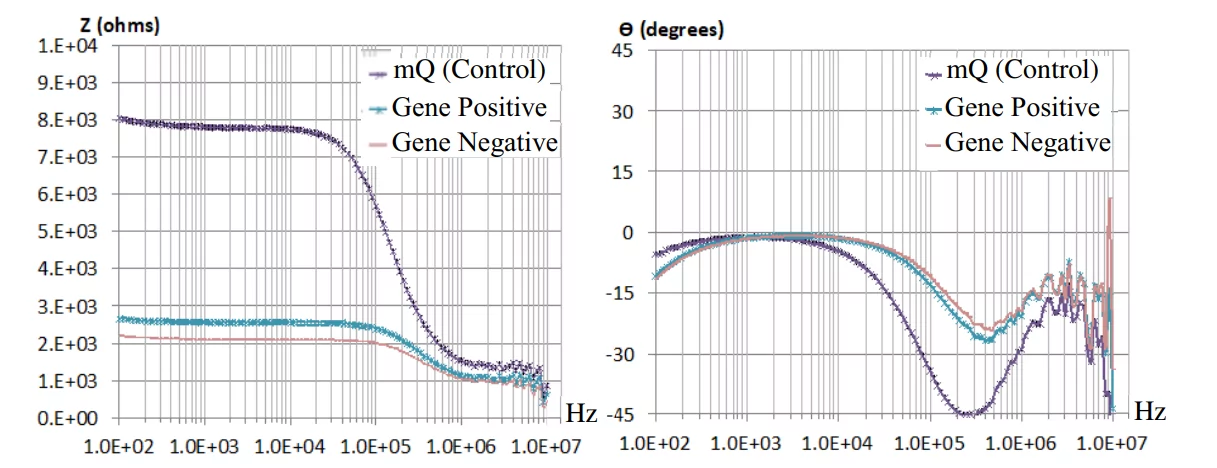
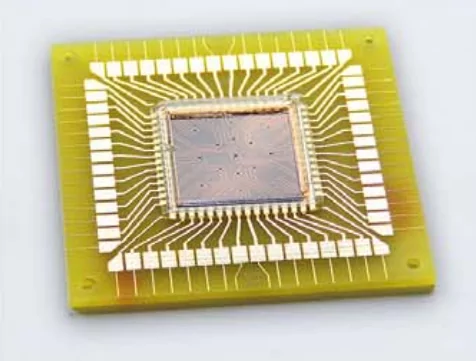
Unexpected adverse effects on the cardiovascular system remain a major challenge in the development of novel active pharmaceutical ingredients (API). To overcome the current limitations of animal-based in vitro and in vivo test systems, stem cell derived human cardiomyocyte clusters (hCMC) offer the opportunity for highly predictable pre-clinical testing. The three-dimensional structure of hCMC appears more representative of tissue milieu than traditional monolayer cell culture. However, there is a lack of long-term, real time monitoring systems for tissue-like cardiac material. To address this issue, we have developed a microcavity array (MCA)-based label-free monitoring system that eliminates the need for critical hCMC adhesion and outgrowth steps. In contrast, feasible field potential derived action potential recording is possible immediately after positioning within the microcavity. Moreover, this approach allows extended observation of adverse effects on hCMC. For the first time, we describe herein the monitoring of hCMC over 35 days while preserving the hCMC structure and electrophysiological characteristics. Furthermore, we demonstrated the sensitive detection and quantification of adverse API effects using E4031, doxorubicin, and noradrenaline directly on unaltered 3D cultures. The MCA system provides multi-parameter analysis capabilities incorporating field potential recording, impedance spectroscopy, and optical read-outs on individual clusters giving a comprehensive insight into induced cellular alterations within a complex cardiac culture over days or even weeks.