Case summary
At a glance
Deep brain stimulation (DBS) is effective for the treatment of patients with Parkinson’s disease (PD), especially in advanced stages which are refractory to conventional therapy. Despite of the regular use in clinical therapy, rodent models for basic research into DBS are not routinely available. The main reason is the geometry difference from rodents to humans, […]
Full reference article
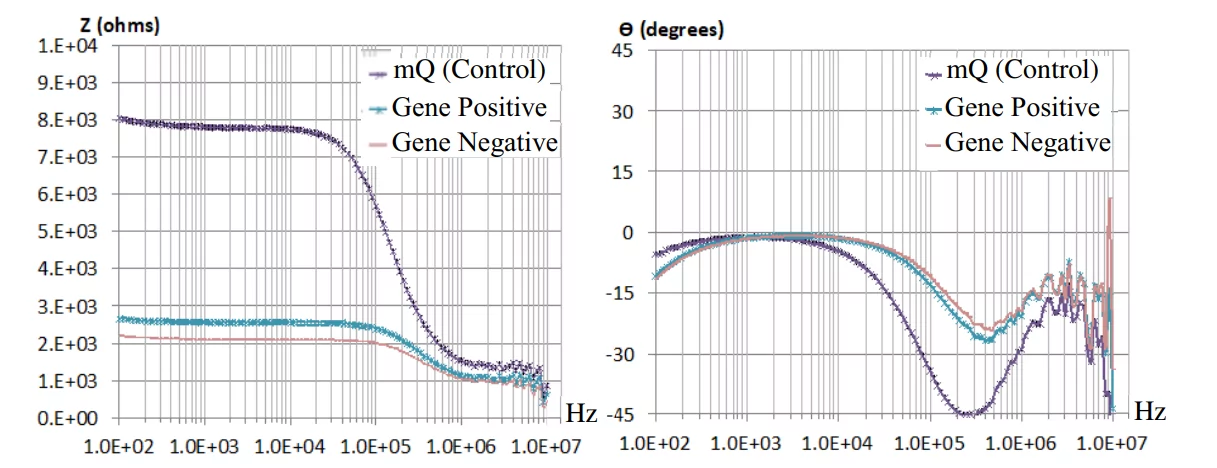
Deep brain stimulation (DBS) is effective for the treatment of patients with Parkinson’s disease (PD), especially in advanced stages which are refractory to conventional therapy. Despite of the regular use in clinical therapy, rodent models for basic research into DBS are not routinely available. The main reason is the geometry difference from rodents to humans, imposing larger problems in the transfer of the stimulation conditions than from primates to humans. For rodents, the development of miniaturized mobile stimulators and stimulation parameters, as well as improved electrode materials and geometry are desirable. The impedance of custom made, cylindrical (contact diameter 200 µm, length 100 µm), platinum/iridium electrodes has been measured in vivo for two weeks to characterize the influence of electrochemical processes and of the adherent cell growth at the electrode surface. During the encapsulation process, the real
part of the electrode impedance at 10 kHz doubled with respect to its initial value after a characteristic decrease by approximately one third at the second day. An outlook is given on further investigations with different electrode designs for long-term DBS.