At a glance
Discover how Sciospec’s EIT instruments empower groundbreaking advancements in biomedical engineering and e-skin technology.
Full reference article
Importance of E-Skin Research for Electrical Impedance Tomography (EIT)
With increasing demand for flexible, high-resolution and durable wearable interfaces, e-skin technology is set to revolutionize multiple fields. This study marks a significant step forward in:
ty. Researchers relying on manual patch clamp achieved high electrical fidelity but lacked the throughput for industrial screening. Conversely, automated high-throughput systems often relied on overexpressing cell lines lacking physiological complexity.- Wearable EIT Technology: Demonstrates the seamless integration of EIT into flexible, wearable formats, expanding its applications beyond traditional settings.
- Advanced Human-Machine Interfaces: Enabling highly sensitive and precise tactile sensing for robotics, prosthetics, and interactive devices.
- Next-Gen Wearable Sensors: Addressing durability concerns ensuring long-lasting and reliable sensor performance in real-world applications.
This Study pushes the boundaries of what’s possible with EIT by demonstrating its integration into a highly practical, durable, and versatile wearable device.
Curious to learn more about e-skin applications ? Check out our detailed FAQ section.
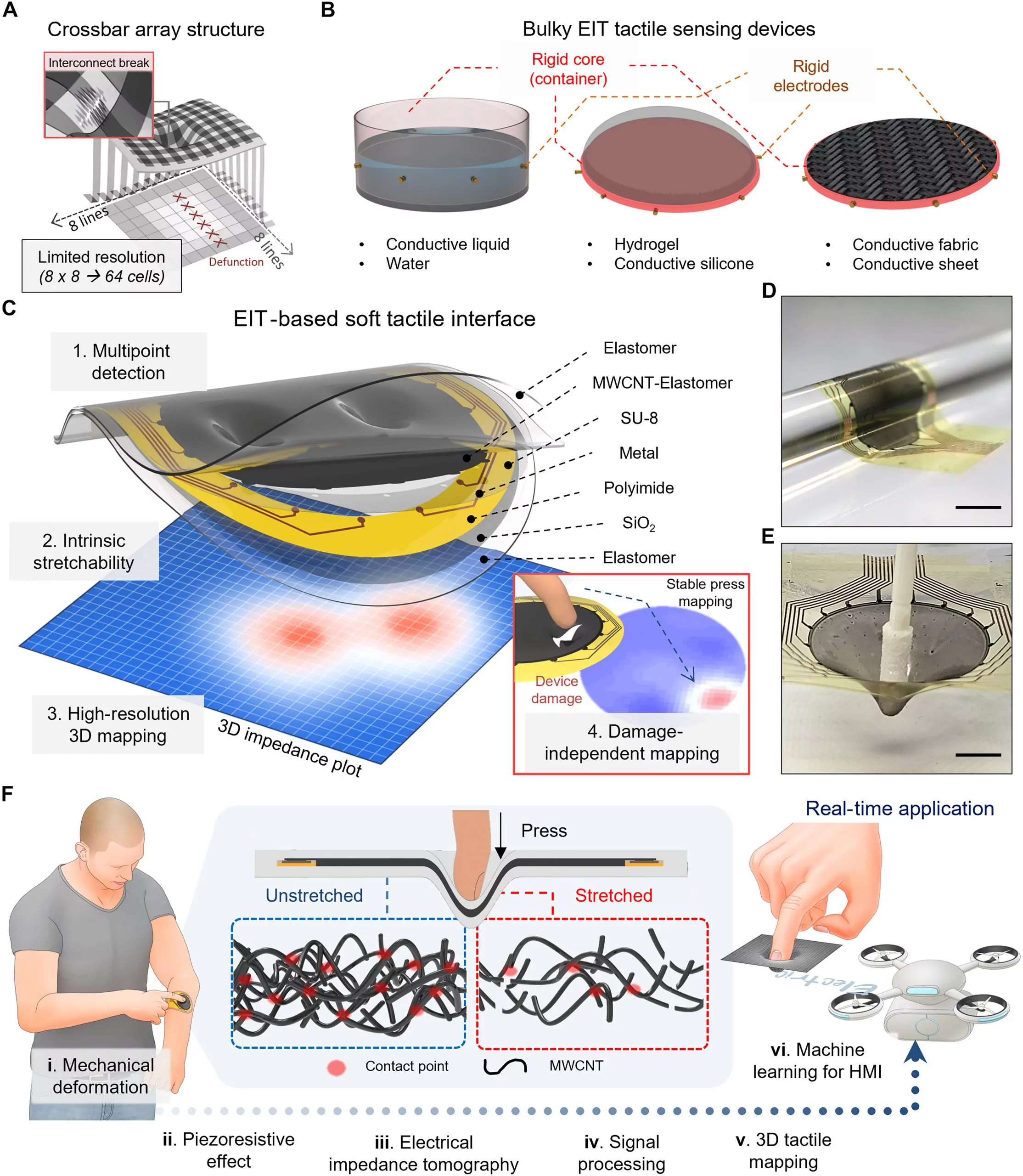
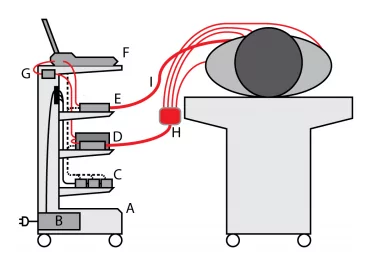
Overall Schematic of Electrical Impedance Tomography (EIT)-Based Soft E-Skin for Tactile Mapping
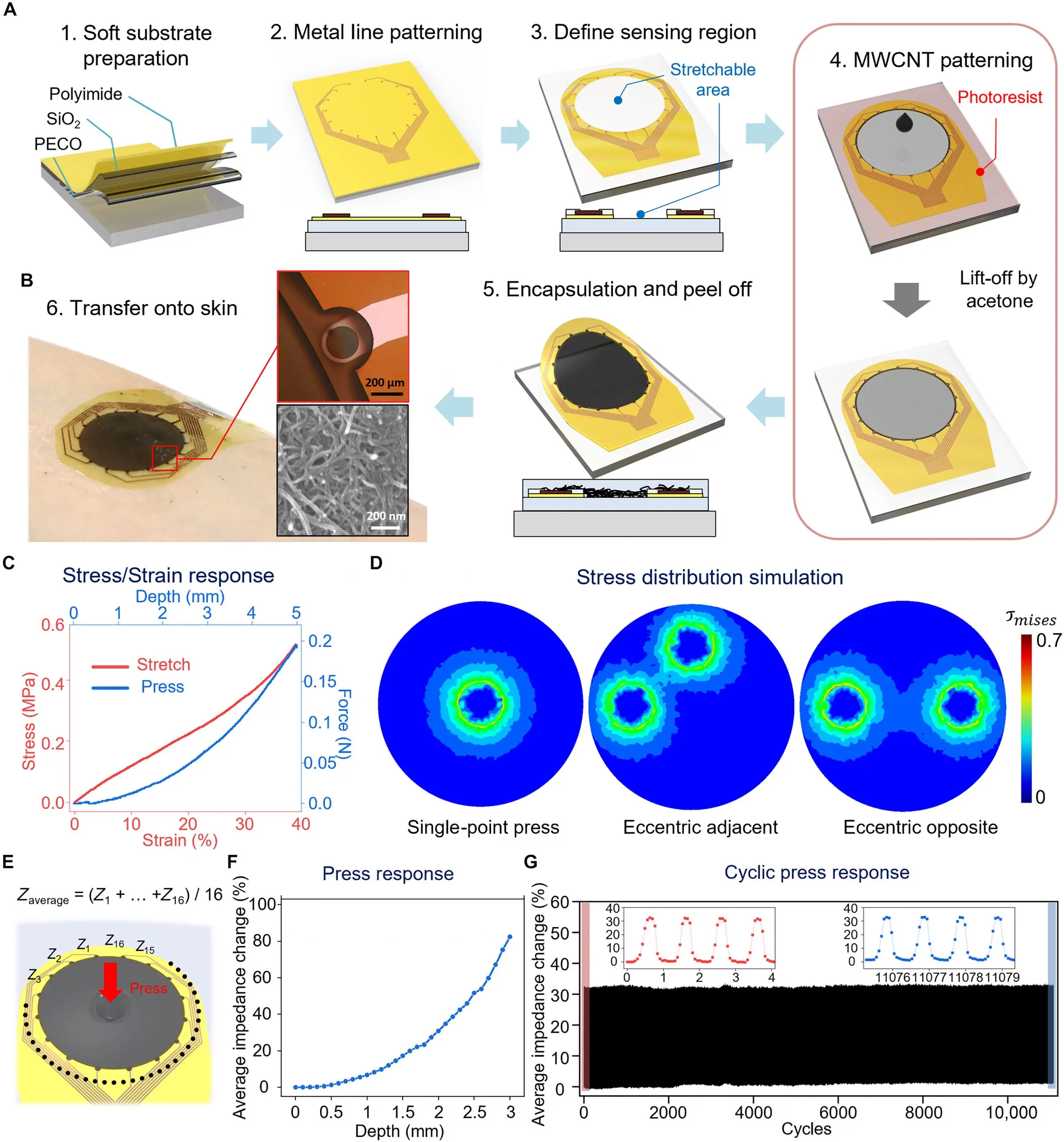
Sciospec's Role in Advancing E-Skin Technology
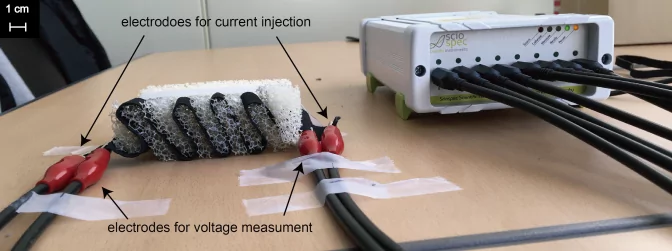
Sciospec’s EIT16 system played a key role in this pioneering study by providing high-precision impedance measurement capabilities crucial for the e-skin’s operation. Our system’s ability to handle complex, high-speed impedance data was instrumental in achieving the e-skin’s high-resolution tactile mapping capabilities. With scalable channel configurations, high measurement accuracy, and rapid data acquisition, the EIT16 system provided the precision needed to capture subtle impedance variations essential for tactile sensing. Sciospec’s EIT16 technology played a crucial role in overcoming several key challenges in e-skin development:
Looking for more answers? Keep reading to learn more. We also have a detailed FAQ section further down. Or take the shortcut and directly reach out to us.
Implications for Biomedical Engineering & Future Innovations
The integration of Sciospec’s impedance measurement technology in this ground-breaking e-skin research has far-reaching implications:
- Biomedical Engineering: Enabling advanced applications in wearable health monitoring, prosthetics, and rehabilitation.
- Human-Robot Interaction: Improving robotic sensitivity and responsiveness with real-time impedance imaging.
- Scalability for Future Innovations: The compact, cost-efficient nature of our EIT16 system allows broad adoption across diverse research areas.
At Sciospec, we are proud to empower ground-breaking innovations like this ultrathin e-skin. Our Electrical Impedance Tomography (EIT) systems continue to empower researchers with unparalleled accuracy, scalability, and flexibility to drive scientific and technological progress.
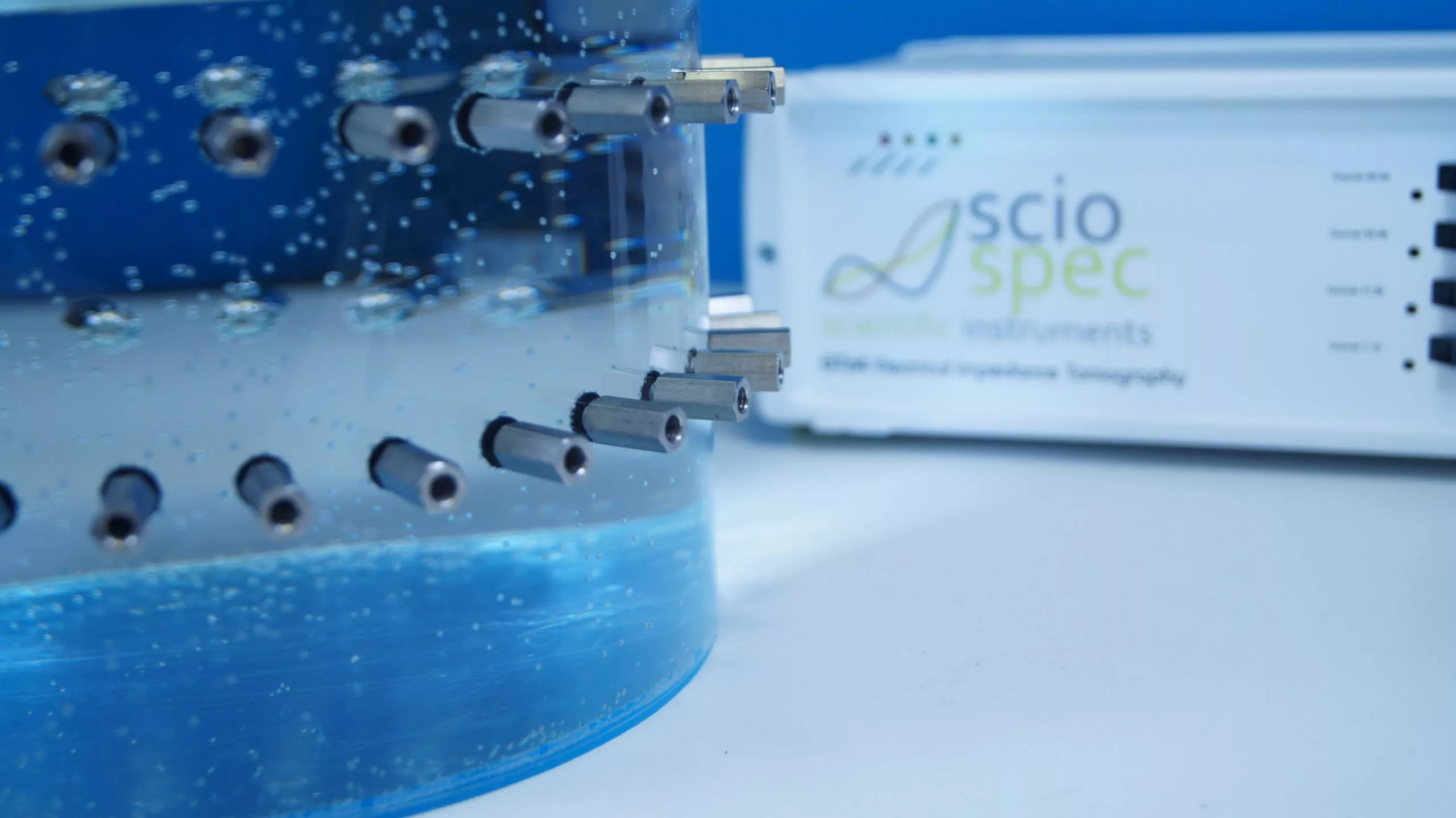
The Technology behind this
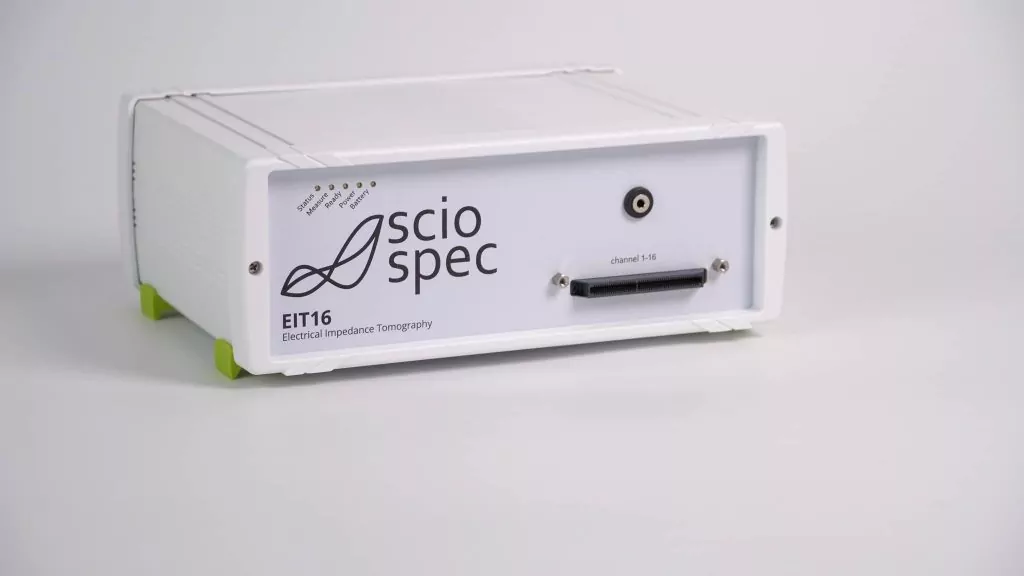
Partner with Sciospec to push the boundaries of EIT technology in your research. Explore our EIT16 system advantages and see how it can elevate your work.

Want to dive deeper? Talk to our experts!
Our experts are ready to help you understanding how this technology works and how you can apply and integrate it into your work. Get in touch today to get a personalized consultation to enhance your work with our advanced solutions
Step into the Future with Impedance based biomedical applications
As we stand on the brink of a new era in tactile sensing technology, the advancements highlighted in this study exemplify the transformative potential of Sciospec’s impedance measurement solutions. Our commitment to innovation ensures that researchers have access to cutting-edge tools that can facilitate ground-breaking discoveries across various fields.
We invite you to explore our range of products and learn how our technologies can empower your research endeavors. Whether you’re developing next-generation wearable devices or enhancing human-machine interactions, Sciospec is here to support you every step of the way.
🚀 Get in touch with Sciospec today to explore how our impedance solutions can power your research. Contact us now.
💡Curious for more? Check out our latest developments and products.
🧪Want to try it yourself? Contact us for more information
🚀Looking for a tailored solution? Our experts can help!
📢 Follow us on LinkedIn for more updates.
Explore Related Research and Insights
explore by relevant keywords
…or just browse our most recent posts:
Get in touch with us
Frequently asked questions
1) What is electronic skin (e-skin)?
Electronic skin, or e-skin, is a type of artificial skin that mimics the sensory capabilities of human skin, such as detecting pressure, temperature, and touch.
2) How does electrical impedance tomography (EIT) work in e-skin devices?
EIT is a non-invasive imaging technique that measures electrical properties within an object to generate a visual representation of its internal structure, enabling high-resolution tactile sensing in e-skin applications.
3) What are the main applications of e-skin technology?
This technology has potential applications in advanced prosthetics, human-robot interaction, wearable health monitoring, virtual/augmented reality interfaces, and real-time HMIs such as handwriting recognition and drone control
💡 Sciospec’s EIT contributes to these applications by providing the underlying impedance measurement technology that enables advanced sensing and control.
4) Can e-skin be used for health monitoring?
Yes, e-skin can be embedded with various sensors to continuously monitor vital signs such as heart rate, blood pressure, and glucose levels, making it valuable for personalized healthcare.
5) What materials are used to create electronic skin?
E-skin is typically made from flexible and stretchable materials like hydrogels, elastomers, and conductive composites that allow it to conform to various surfaces.
6) What are the challenges in developing large-scale e-skin systems?
Key challenges include ensuring durability under real-world conditions, maintaining high sensitivity across different areas of the skin, and scaling production for widespread use.
7) What is the potential of e-skin in prosthetics and wearable technology?
E-skin can significantly improve the functionality of prosthetic limbs by enabling intuitive control through muscle or nerve signal detection, enhancing the overall user experience.